Make money selling plants from your own backyard nurseryStart with a few hundred plants, basic equipment and a market you know, expand only after the numbers make sense.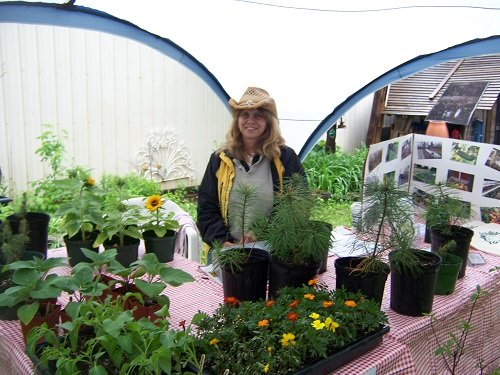 Suzie selling the products of our backyard nursery Suzie selling the products of our backyard nurseryA backyard nursery can be a profitable home business for the new grower or would-be small farmer. I found out this spring that people seem to pay more for ornamental plants than the ones they can eat! You can take advantage of this odd fact by growing and selling plants for money.
Can a Backyard Nursery Really Make Money?Yes - but simply growing plants doesn't guarantee a profit. A small backyard nursery works best when you choose plants people already want, keep startup costs low and know where the plants will be sold before you start filling trays.
We started small because I wanted to test the market before committing. That kept the risk manageable and showed us which plants customers would actually buy. Here's what appealed to me about growing plants for money🌱
Low-Cost StartupBegin with basic seed-starting equipment and avoid a large upfront investment. 🏡
Small-Space FriendlyA greenhouse, hoop house or protected backyard area can produce hundreds of plants. 💵
Early-Season IncomeSpring plant sales can generate cash before vegetables and other farm products are ready. 📈
Easy to TestStart with a few varieties, see what sells and expand only after the market proves itself. A backyard nursery fit in with my other businessIn my case, the above advantages were very much in my favour. I was growing my own transplants for the market garden anyway, and could make use of the same infrastructure. That meant the additional equipment requirements and start-up costs were low, and most of the equipment was reusable. And of course, the somewhat surprising fact that some plants you can't eat seem to sell for more than those you can. Higher margins, more cash in my pocket. I had a bit of a head-start because my existing set-up, but launched right a backyard nursery has a lot of potential for any small grower. 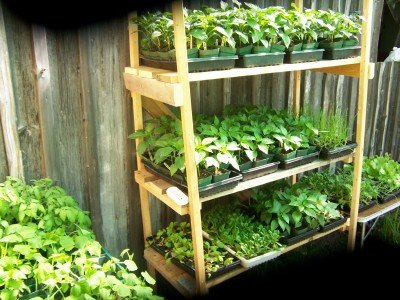 A 'low tech' plant stand in my backyard nursery A 'low tech' plant stand in my backyard nurseryWhat Can You Grow and Sell?A backyard nursery can sell more than a few trays of tomato plants. To maximize the opportunity, find plants that suit your space, your growing skills and the customers in your area. Some plants are quick and inexpensive to produce. Others take longer but command a higher price. You don't need to grow everything. You need a manageable selection that customers want to buy.
A dozen varieties that sell are worth more than fifty varieties that sit on the table. Start with a small, focused selection, keep track of what customers ask for and expand the proven winners next season. The first 3 on the list are probably the place to start, relatively low-risk and low-cost. The others require more advanced skills such as rooting cuttings and grafting. I recommend 'growing' into that after a couple seasons prove your market. Growing Plants Is the Easy PartIt's to easy to order seeds, fill every tray and assume buyers will appear when spring arrives. That approach is backwards. Before you start planting, you need to answer a few practical questions:
Producing attractive, healthy plants was only half the job. The more challenging part was matching the number and variety of plants we grew to a short and sometimes unpredictable spring selling season. A backyard nursery doesn't make money when the seeds germinate. It makes money when the plants leave the sales table. You also need to to look into local bylaws and zoning restrictions that may affect your business, as well as any licensing requirements. Don't neglect the fact that you will probably need liability insurance. DO NOT start without taking this step; you don't want your fledgling business shut down by the guv'mint just as you are making some money. Plan Before You Plant Want Your Backyard to Produce More Than Plant Sales?A spring nursery can bring in useful early-season income. A carefully planned vegetable garden can keep earning after the main plant-selling season ends. Backyard Garden Profits helps you build a practical growing and sales plan around your available space, time and income goals.
Practical guide and planning tools: just $9.
20+ Years of Small-Farm Experience
CSA Serving Up to 90 Families
Award-Winning Farm Model
Practical Systems Tested on Our Own Farm
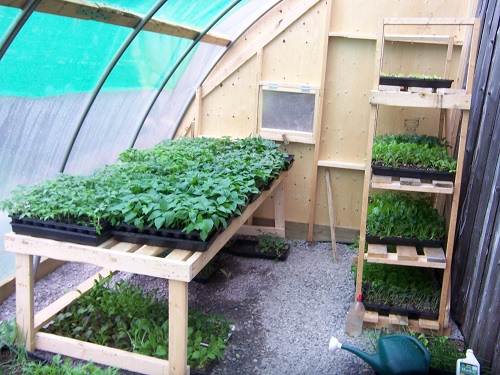 First lean-to greenhouse we built to start plants for sale First lean-to greenhouse we built to start plants for saleWhere Will You Sell?Before we fill hundreds of pots, we need a realistic plan for getting those plants in front of customers. Different sales channels suit different growers. Some can move a large number of plants in one day. Others take longer to build but require less travel, setup and selling time. The best choice depends on our location, available time and the number of plants we expect to produce. Farm-Gate or Roadside SalesA simple plant stand can work well if you have good visibility, safe parking and enough local traffic. The main advantages are low set-up cost, and that customers come to you. Pre-OrdersTaking orders before planting reduces guesswork and will help you grow closer to the quantities and varieties customers actually want. Online Local ListingsCommunity groups, local marketplaces and neighbourhood pages can help you reach nearby gardeners without paying for a permanent retail location. Farmers’ MarketsMarkets can bring strong spring traffic, but they also require fees, travel, setup and consume an entire selling day. Community Plant SalesGarden clubs, schools, churches and community groups may host seasonal sales where buyers are already looking for plants. Existing Farm CustomersCSA members, vegetable customers and email subscribers already know you. That makes them a natural first market for herbs, flowers and vegetable transplants. Local RetailersIndependent garden centres, farm stores and small shops may buy plants wholesale or sell them on consignment. Landscapers and Property OwnersLandscapers, landlords and rural property owners may buy larger quantities of dependable plants if we can supply consistent varieties and sizes. Remember the Opportunity Cost of SellingA farmers’ market may sell more plants in a day, but it may also consume six or eight hours once travel, setup and cleanup are included. A well-promoted farm-gate sale or pre-order system may move fewer plants at once but produce a better return for every hour we spend selling. Match Production to the MarketEach sales channel has a limit. A roadside stand may handle a few dozen customers. A popular community sale might move several hundred plants. A retailer may want fewer varieties but larger quantities of each one. Estimate how many customers you can realistically reach, how many plants each might buy and how short the main selling season will be. Then plan production around that number. The safest market is usually the one you can reach before planting. Start with existing customers, local contacts and pre-orders. Then expand into larger sales channels after you know which plants sell. Growing After Your First SeasonOnce you have (at least) one season under your belt, you might be thinking about expanding your business. This will be a lot easier if you kept good records of sales to find out which plants were most popular. (In my case this was a beautiful little dwarf sunflower; I wish I had grown a thousand of them!)
Build Protected Growing Space Need More Room to Start and Grow Plants?A greenhouse can extend the plant-selling season, protect tender seedlings and give us room to produce more plants without filling every windowsill in the house. Bootstrap Greenhouse includes three practical, inexpensive greenhouse designs that can be built without investing in a commercial structure.
We do not need an expensive commercial greenhouse to get started. We need a practical structure that does the job. Three inexpensive greenhouse plans See Bootstrap Greenhouse →Practical plans for small farms, homesteads and backyard growers. 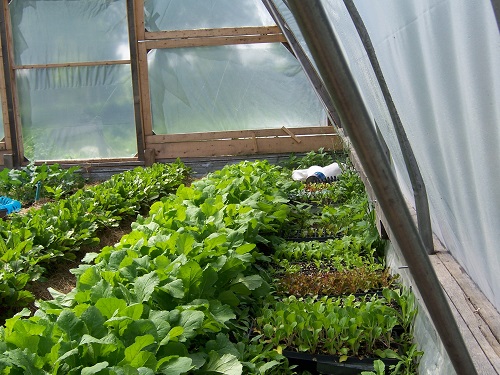 Our 20x30 greenhouse on rails fully planted Our 20x30 greenhouse on rails fully plantedYour home-scale growing techniques may not be efficient at a larger scale. You may have to invest in a greenhouse, automation e.g. irrigation systems, misting boxes, thermostatically-controlled fans. Be sure this investment will pay off. Frequently Asked QuestionsA backyard nursery can be started on a modest scale, but a little planning saves a lot of wasted seed, soil, pots and labour. Can a small backyard nursery really make money?Yes, provided we keep startup costs under control and grow plants people are prepared to buy. The safest approach is to begin with a small selection, test the local market and expand only the plants that sell well. How much space do I need to start?Not as much as most people assume. A small greenhouse, hoop house, sheltered porch or protected backyard growing area can hold several hundred young plants. Start with the space you already have before investing in a larger setup. What are the easiest plants to sell?Familiar vegetable starts, herbs and colourful annual flowers are often the easiest place to begin. Tomatoes, peppers, basil, marigolds and sunflowers are easy for customers to recognize. That does not mean they will automatically sell, however. Local demand matters more than a general list of popular plants. Do I need a greenhouse?A greenhouse is helpful, especially in a cold climate, but it is not always necessary for a small test. Plants can also be started indoors and moved into cold frames, low tunnels or another protected area. A greenhouse becomes more important as production increases. Where can I sell backyard nursery plants?Possible sales channels include a farm-gate stand, roadside sales, local online listings, pre-orders, farmers’ markets, community plant sales and existing farm customers. Begin with the market that is easiest and least expensive for you to reach. How should I price my plants?Check local garden centres, nurseries and private sellers, then calculate your own costs. Include seeds, potting mix, pots, labels, heat, water, losses and selling time. The seed may cost only a few cents, but the finished plant represents weeks of care. Do I need a licence to sell plants from home?Requirements vary by location and by the types of plants being sold. Check municipal zoning, home-business rules, signage restrictions, sales-tax requirements and any provincial or federal regulations that may apply. Certain plants, imported stock and protected varieties may have additional rules. How many varieties should I offer in the first year?Keep the first selection manageable. Ten or twelve dependable varieties are usually easier to grow, label, price and sell than fifty experimental ones. Customers still get useful choices, while we get clearer information about what worked. What happens to plants that do not sell?That depends on the plant. Some can be potted into a larger container, planted as future propagation stock, discounted or added to your own gardens. Annual vegetable and flower starts have a short selling window, however. This is why controlling production is so important. Can I combine a backyard nursery with a market garden?Yes. The two businesses can share seed-starting equipment, greenhouse space, irrigation and customers. Plant sales can also provide income before the main vegetable harvest begins. Just be careful not to let nursery production interfere with starting your own field crops. Choose Your Next Step Do You Want a Productive Garden—or a More Self-Sufficient Backyard?A backyard nursery can be one part of a more productive property. The right next step depends on whether your main goal is growing a dependable food garden or building a broader self-sufficient lifestyle. Best for Food-Garden Planning Bootstrap Survival GardenChoose this path when your priority is building a practical garden that can produce a meaningful amount of food for your household.
Choose this if: You mainly want a step-by-step food garden plan. See Bootstrap Survival Garden →Best for Broader Self-Sufficiency The Self-Sufficient BackyardChoose this path when you want to look beyond the garden and make more of your property, water, food and household resources work together.
Choose this if: You want a wider homestead plan, not just a vegetable garden. See The Self-Sufficient Backyard →One focuses on building a dependable food garden. The other takes a broader look at making an entire backyard more productive and self-reliant. Thinking Beyond Plant Sales?The consumer demand for fresh local organic food has never been higher. Bad news on the supply chain is good news for local growers. Get my free Organic Market Gardener Start-up Guide and see if this is the right time to launch your CSA market garden business. Enter your best email and the Guide will be sent to you right away. 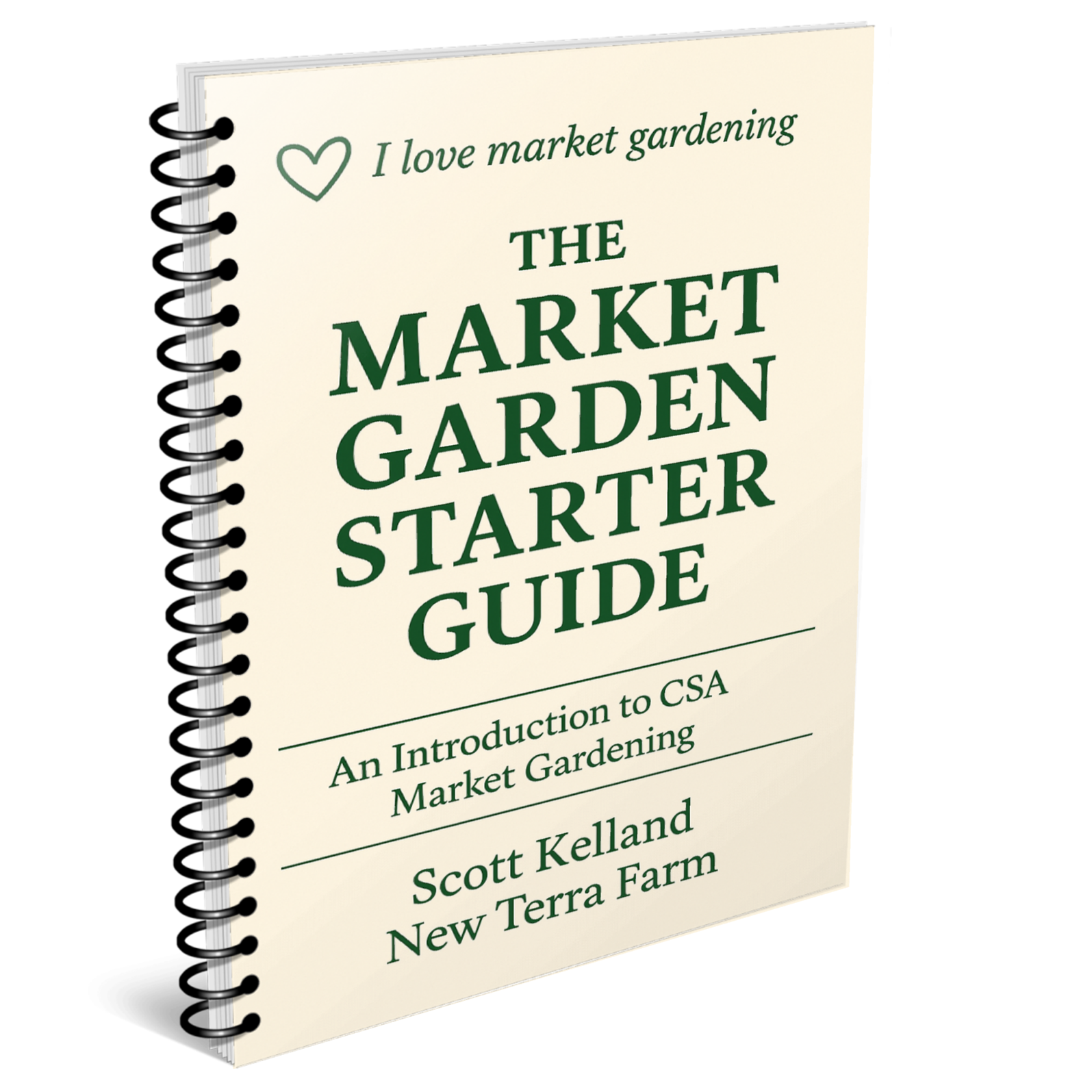
|
See Something You Like? Share!
Got questions to ask, stories to tell?
Share your organic market gardening question, or comment, or story.
I'm an affiliate for some products I promote on this site. This means I get a small commission for a product you buy through a link on one of my pages. This doesn't cost the buyer anything, but provides me an additional income to help support these pages.
