Farm Planning for the Small Organic Grower
Farm planning is critical to small farm success; small growers don't have the luxury of wasting time and resources on enterprises that just won't pay.
Here's how we do planning at New Terra Farm, to make sure we are getting a fair return for our work.
Farm Planning Step 1: Identify your market.
It might seem obvious, but you must not grow anything until you figure out 1 - who will buy it, and 2 - how will you get it to them?
For example, if you are planning to sell your wares at a farmer's market, you have to:
- find a local market
- find out if they have space for another vendor
- determine what it will cost you in membership or table fees
- figure out if your products are a good seller at this location.
In addition, you have to comply with state, federal or provincial legislation regarding handling and selling food, and the rules of the market itself.
It would be a costly lesson to get shut down because you ran afoul of the rules. Contact the market manager, and get the applicable information.
In our case, we chose to go the
Community Supported Agriculture (CSA) route; we found a lot of advantages to this model.
But we still had to do our 'homework', and identify a likely pool of prospects to join our CSA. One of the big advantages of the CSA model is, you know well before the season starts exactly how much you have to grow to supply your customers.
Farm Planning Step 2: Estimate income and expenses.
Now that you have a place to sell your wares, you need to set prices and estimate expenses, to ensure you can make a profit.
In the case of our CSA, we worked back and forth between the price per share we planned to charge, our planned number of CSA customers, and the expenses we expected to incur. You can see more about the details of our first year operating a CSA at this link
New Terra Farm business planning
You may not have all the data you need the first year of operation; you will have to rely on some research and estimates to come up with a price for your wares.
For example, the first year we sold chicken, we had to estimate our costs, then apply a markup to generate a profit. We could find out what it cost to buy day-old chicks, the cost of chicken feed, and what the abattoir charges to process our birds.
The big variable was 'how much feed would we need to get the birds to market weight'?
So we used a 'feed conversion factor' of 5 to 1; in other words, we estimated that it would take 5 pounds of feed to grow one pound of chicken (we estimated high, by the way, to allow a little 'cushion').
Then we applied the other costs to come up with a cost per pound. We set our price by marking up that cost; I like to get at least a 60% or 70% profit on my farm goodies. So if my chicken cost me (for example) $2.00/lb, I would sell it for $3.25 or $3.50 a pound.
Farm Planning Step 3: Put the resources in place.
This means estimating and acquiring or preparing the land, equipment and supplies, and labour you will need to produce your farm goodies.
For example, how big will your garden need to be? Will you have to buy or rent a tractor? Where will you get your seed and supplies? Will you need to hire help? Where will you find a good farm helper? Will you need a vehicle to deliver veggies to your CSA, or bring them to your market?
The more of these questions you can answer before you launch your business, the fewer surprises you will have, and the more successful you will ultimately be.
And you might want to check this out . . .
The Bootstrap Boot Camp Success Plan
 Build a SUCCESS PLAN for your small farm business
Being a good grower is only part of the answer to success. You also have to:
- Know how to plan and manage your business;
- Persuade others of the value of your products;
- Maintain financial stability; and,
- Stay motivated through your journey to small farm success.
The Bootstrap Boot Camp Success Plan course will teach you all this and more.
Now on sale, only from New Terra Farm.
- Home Page ›
- Vegetable Farming for Profit ›
- Farm Planning
- Home Page ›
- Sustainable Organic Farming ›
- Farm Planning

Recent Articles
-
Selling to chefs is a good niche if you approach it properly
Apr 29, 24 10:30 AM
 I've seen some bad advice about selling to chefs. Here's how to do it right.
 -
Homesteader Book Bundle only from New Terra Farm
Apr 24, 24 08:08 AM
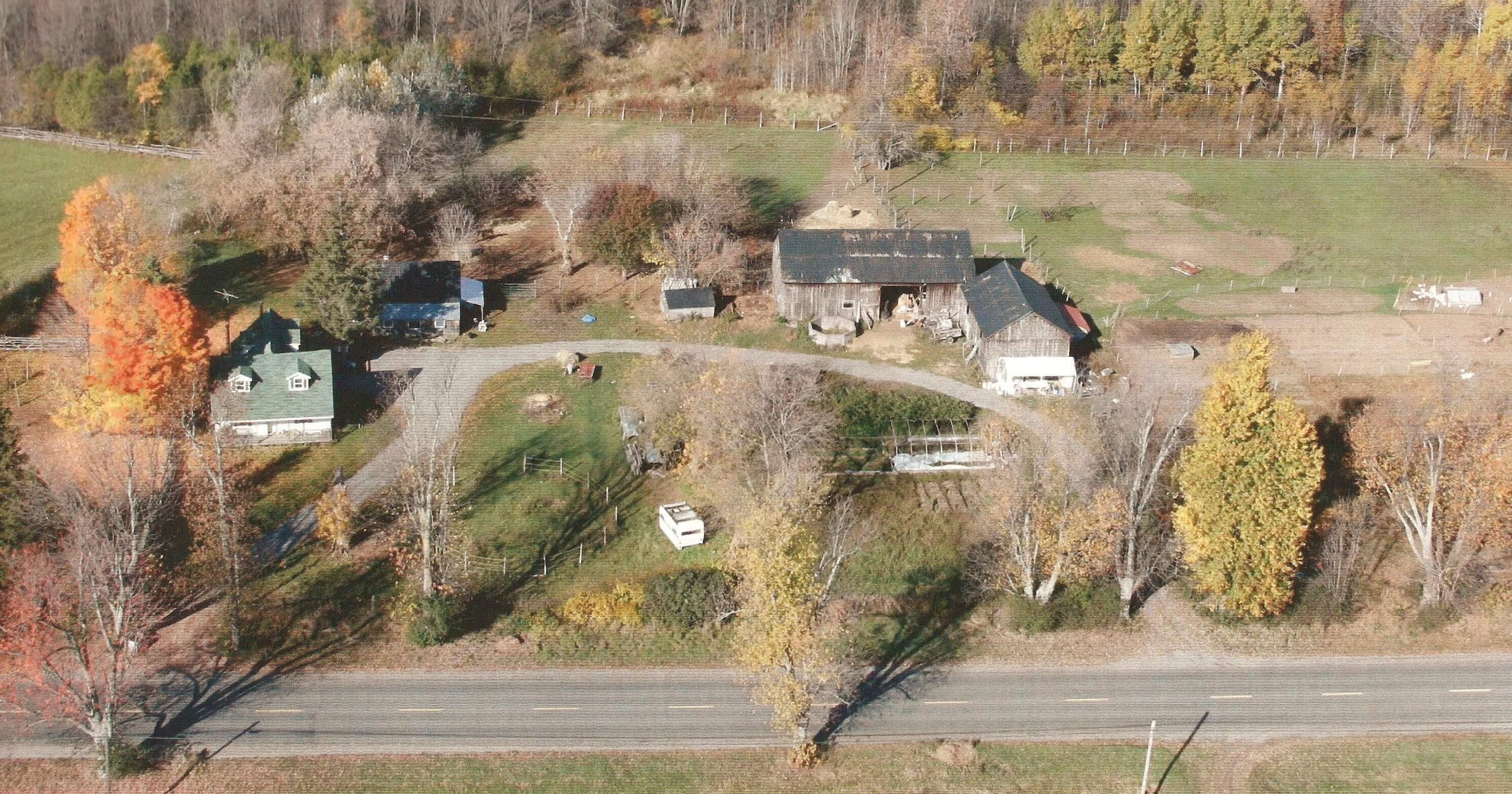 If you have a hankerin' for country living, my best value Homesteader Book Bundle is a great resouirce.
 -
Grow the 10 most profitable vegetables in your market garden
Apr 21, 24 08:32 AM
 Special Report - Grow the 10 most profitable vegetables using the tools and techniques of pro gardeners