The Flexible CSA Without a Packing-Shed Crisis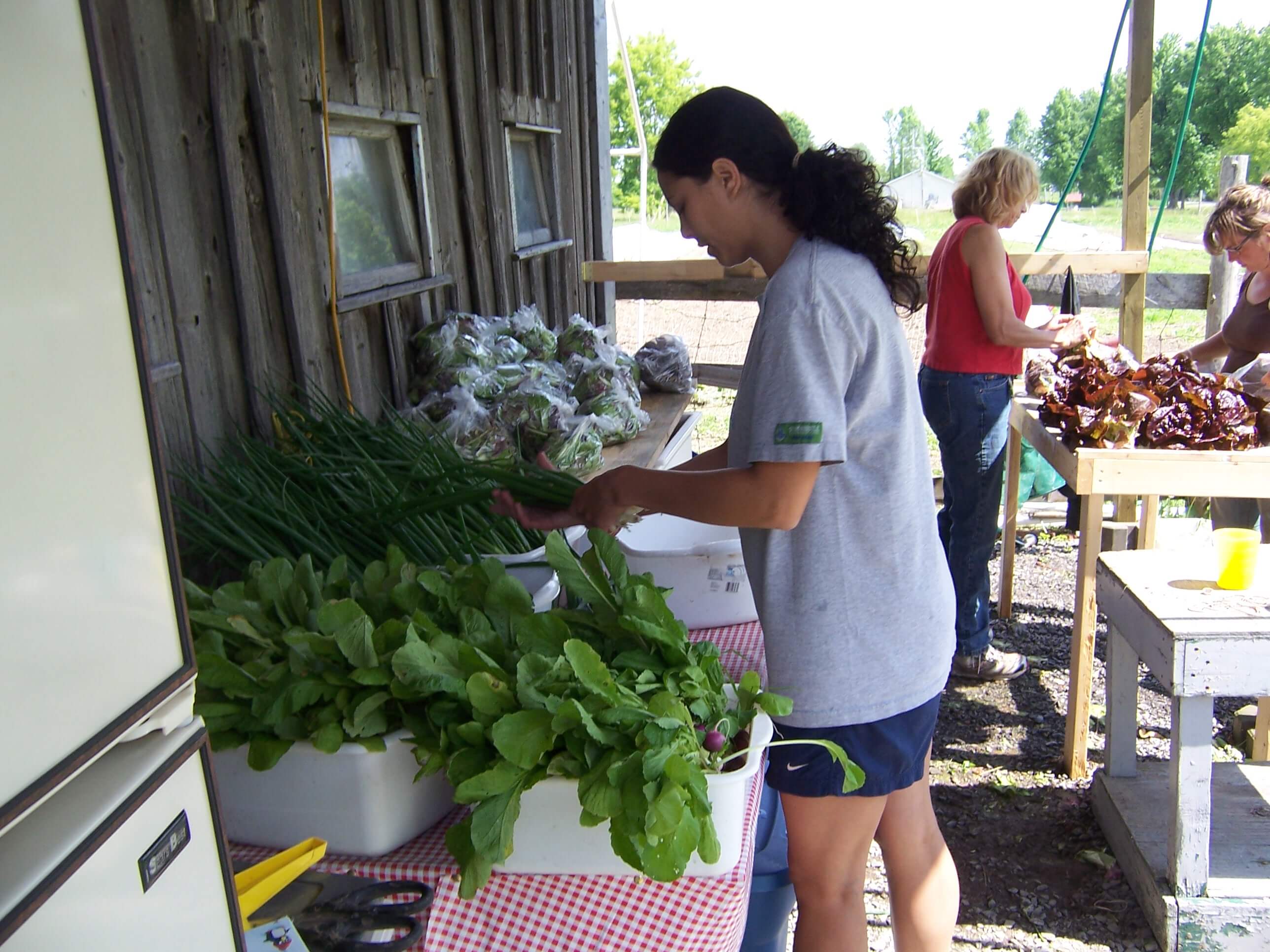 You can have a flexible CSA and stay sane in the packing shed You can have a flexible CSA and stay sane in the packing shedWhy the flexible CSA model appeals. Customers like the idea of joining a CSA. They like fresh vegetables, supporting a local farm and knowing who grows their food. Then reality enters the picture. They go away for two weeks. The children refuse to eat beets. One person wants a smaller box. Another wants home delivery. Someone forgets pickup day and sends an email Sunday morning asking whether the lettuce is still waiting for them. The flexible CSA appears to solve those problems. BUT... before long, the farmer isn’t just growing vegetables. We’re managing substitutions, vacation schedules, credits, delivery changes and eleventy-seven versions of the same weekly box. That is the danger of the flexible CSA. Done properly, a little flexibility can make the CSA easier to sell and help us keep members. Done poorly, it creates a packing-shed circus that eats up time, labour and profit. The answer is not to reject flexibility altogether. It is to offer the kinds of flexibility customers value most, while keeping firm limits around the work the farm must do. What We Learned at New Terra FarmAt New Terra Farm, our CSA model was built around a simple idea: customers subscribed and paid before the growing season, and we grew vegetables for those committed members. That early payment mattered. It helped cover seeds, supplies and other startup expenses at the exact time the farm was spending money but had little produce ready to sell. Just as importantly, it gave us a known customer base before we started planting heavily. That is still one of the biggest advantages of the CSA model. We are not growing a pile of vegetables and then hoping enough customers wander past our market table. The traditional CSA, however, normally gives every member a farmer-selected box each week. That is wonderfully efficient for the grower. Harvest twenty bunches of carrots, twenty heads of lettuce and twenty bags of salad mix, then pack twenty similar boxes. The trouble is that customers don’t all cook alike. A box that delights an adventurous cook may intimidate a busy family. Give people too many vegetables they don’t recognize, or too much of something they dislike, and enthusiasm can fade before the season ends. So we provided some flexibility in our offering to solve those concerns. The trick is solving the customer’s problem without creating a bigger one for the farmer. Build the Numbers Before You Build the FarmA successful CSA needs committed customers, profitable crops and a production system you can actually manage. Bootstrap Market Gardening gives you a practical, step-by-step system for planning, marketing and running a small CSA market garden—without spending a fortune to get started. GET BOOTSTRAP MARKET GARDENINGComplete digital guide, workbooks, planning spreadsheets and 60-Day CSA Launch Checklist. What Does “The Flexible CSA” Actually Mean?There is no single flexible CSA model. The term can cover several different arrangements:
But realize these are not equal from an operating standpoint. Offering a small and large share is relatively simple. Allowing every member to rebuild a box from scratch each week is not. That distinction matters. Customer flexibility should be judged by two questions:
You want two 'YES' answers to proceed. Start With Controlled FlexibilityFor most new and small growers, I recommend controlled flexibility. This means giving members a few useful choices inside a system that remains predictable for the farm. A practical flexible CSA might include:
That is enough flexibility to remove several common customer objections. It does not require us to operate a miniature online grocery store. Everybody says that “the customer is always right.” But if every customer receives a completely different box, pickup time and payment arrangement, the farmer can be very busy being right out of business. And I've actually FIRED customers that turned out to be more troubler than they were worth. Nicely, of course, saying something like 'I just don't think we can deliver the value you are looking for'. And go on to serve the ones who do appreciate what you have to offer. Flexible CSA Models Worth ExaminingWe don’t have to invent every option ourselves. Several farms are already using different versions of the flexible CSA. Mulberry Moon Farm: Customization With Guardrails Mulberry Moon Farm in Strathroy, Ontario, offers a customizable farm share with regular and large sizes, weekly or every-other-week service, several pickup and delivery options, and payment plans. Members receive a preview of their box and can swap items or add products before the weekly deadline. They can also place a share on hold while away and receive a credit. This is a fairly advanced flexible CSA. Software helps generate boxes based on available crops and customer preferences. The farm still controls what is available each week; customers choose from that supply rather than ordering anything they can imagine. Useful lesson: Customization works better when customers select from a limited weekly harvest list and make changes before a firm cutoff. Small Holdings Farm: CSA Credit Instead of a Fixed Box Small Holdings Farm in Nova Scotia uses a farm-credit model. Members buy a CSA share, but instead of automatically receiving a standard box, they spend their credit according to their needs. They can shop market-style at the farm or preorder through the farm’s online shop. Share sizes range from a starter amount to a larger farm credit, and members can add more credit during the season. This gives customers considerable control while still providing the farm with prepaid sales. There is a tradeoff, of course. The farm knows how much credit has been sold, but not exactly which vegetables members will choose in a given week. Useful lesson: A credit model works best when the farm already has a well-stocked stand, online store or established weekly market-style pickup. Even Pull Farm: Shorter Commitments Even Pull Farm in Oregon breaks its Farm Club into shorter seasonal periods. Members can opt into spring, summer, fall or winter rather than committing to one long season. That addresses a different kind of customer resistance. Some households hesitate to buy twenty weeks of vegetables but are comfortable trying a shorter session. Short seasons can also suit farms with distinct production windows. A spring share might feature salad mix, radishes, spinach and Asian greens, while the summer program shifts toward tomatoes, peppers, beans and cucumbers. Useful lesson: Sometimes customers need a shorter commitment more than they need complete control over every vegetable. FRESHFARM: Flexible Scheduling The FRESHFARM Market Share program allows members to join during the season, adjust their pickup schedule and skip shares when necessary. This is a food-hub-style program involving multiple farms, so it is not directly comparable to a one-acre market garden. Still, it demonstrates what customers increasingly expect from subscription services: easier scheduling and fewer penalties when life gets in the way. Useful lesson: Scheduling flexibility may be more valuable to customers than unlimited box customization. Protect the Packing Shed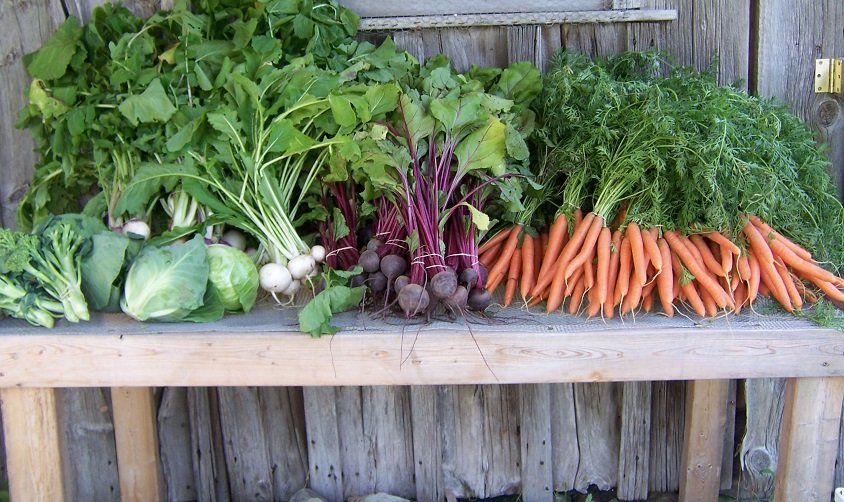 Harvest THIS with some controlled flexibility Harvest THIS with some controlled flexibilityBefore promising flexibility, map exactly what happens from the field to the customer. Suppose fifty members can each choose eight items from a list of twenty. That sounds customer-friendly. Now imagine printing fifty different packing slips, checking fifty orders, weighing substitutions and correcting mistakes while freshly harvested greens wait in the heat. The software may be efficient. The lettuce is less impressed. Put firm rules around the process:
One system, one deadline and one place for changes. Otherwise, flexibility can become excessive, unpaid customer service. Choose Crops That Earn Their PlaceNot every vegetable deserves space in your CSA plan. Grow the 10 Most Profitable Vegetables helps you identify higher-value crops, reduce wasted labour and earn more from the garden space you already have. GET GROW THE TOP TEN — $9Includes the bonus Crop Price Calculator to test your own costs, prices and profit potential. Keep the Cash-Flow AdvantageThe flexible CSA should still support the farm before and during the production season. If customers can join without a deposit, cancel at any time and pay only after receiving vegetables, we no longer have much of a CSA. We have a weekly produce-ordering service. There is nothing wrong with that model, but it does not provide the same startup cash or sales commitment. A reasonable compromise is:
The commitment must work both ways. The farm commits land, seeds and labour. The customer commits a reasonable amount of money and participation. Choose Flexibility That Solves a Real ProblemDon't add features just because another farm offers them (unless you are losing sales to them). Ask current and former members why they hesitate, leave or fail to renew. Their answers may show that your biggest problem is not vegetable choice at all. Perhaps pickup ends too early for commuters. Perhaps the share is too large for a two-person household. Perhaps customers travel during July. Perhaps the full-season payment is difficult, even though they can afford monthly instalments. Fix that specific obstacle first. A smaller share could be easier than full customization. A cooler with extended pickup hours could eliminate missed pickups. Two vacation holds might do more for retention than twenty weekly swap options. The Best Flexible CSA Is Still SimpleThe flexible CSA can make farm membership more attractive to modern households. It can reduce unwanted vegetables, accommodate vacations and make the financial commitment less intimidating. But flexibility should never mean that the farmer absorbs every inconvenience. Start with two share sizes, sensible payment options and one or two vacation holds. Add limited swaps only after the basic CSA runs smoothly. Move toward full customization or farm credit only when your production, inventory and ordering systems can handle it. Customers do not need endless choice. They need enough choice to feel that the CSA fits their lives. And you the grower doesn't need another complicated system to manage during the busiest months of the year. You need committed customers, predictable schedules and an orderly packing day. That is the goal: a flexible CSA for the customer, without turning the packing shed into a circus for the farmer. Best Next StepsA flexible CSA is only one part of the business. These practical guides will help you build the offer, set your price and find the members needed to make it work.
Understand the CSA Model
Learn how advance subscriptions benefit both the grower and the customer—and why CSA is such a useful model for a small farm.
Explore Community Supported Agriculture →
Check Your CSA Plan
Review the 15 essential elements of a successful CSA, including agreements, crop planning, pricing and member communication.
Use the CSA Program Checklist →
Find Your CSA Members
Use practical CSA marketing ideas to explain the value of membership, build trust and sell your available shares.
See the CSA Marketing Ideas →
Set a Price That Pays
Work through the costs and pricing decisions needed to avoid running a busy CSA that produces very little profit.
Learn How to Price Farm Products →
|
Thinking About Starting a Market Garden?
Get the free Market Garden Starter Guide from award-winning New Terra Farm and learn how to start small, control costs and build toward real farm income.
- Learn the practical basics of starting a small market garden
- Avoid wasting money on unnecessary equipment
- Focus on crops, customers and decisions that matter
Practical advice based on more than 20 years of New Terra Farm experience.
