Welcome to New-Terra-Natural-Food.com, the Website for Award-Winning New Terra Farm
If you wonder what's in the food you eat
And food scares make you queasy
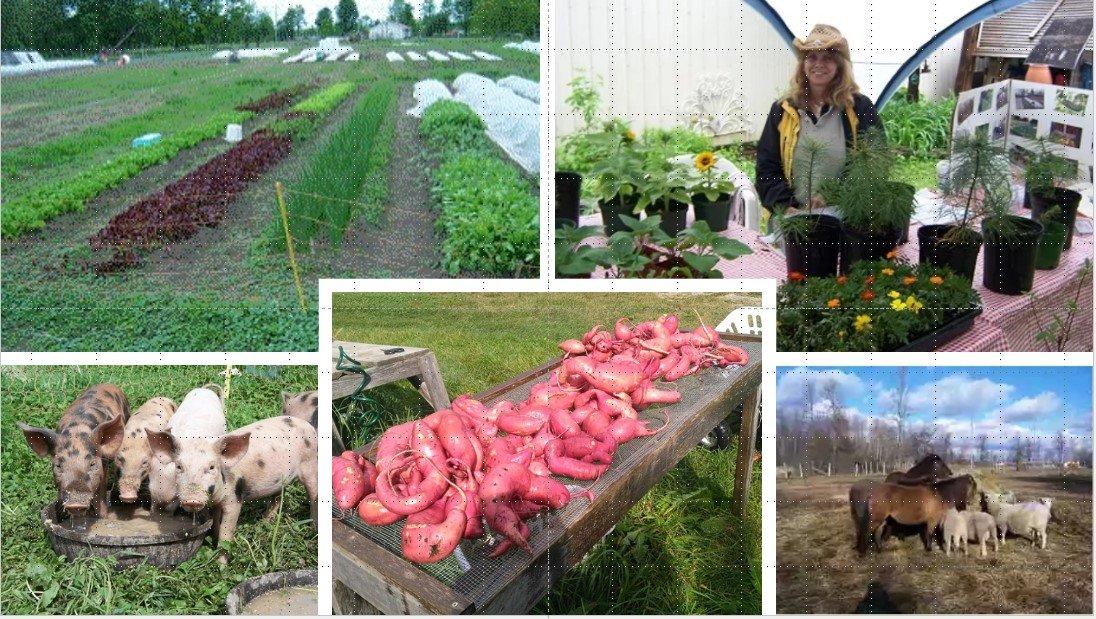
Grow natural and organic vegetables and meat
New Terra Natural Food makes it easy!
🌿🌿🌿🌿🌿🌿🌿🌿🌿🌿🌿🌿🌿🌿🌿🌿🌿🌿🌿🌿🌿🌿
So, who are we (and why are we perpetrating bad poetry)?
New Terra Farm
is a small family-owned business located near Merrickville, Ontario. We
grow a lot of our own veggies and meats, with select quantities for
sale. We also write books to shown others how to do the same.
Trust us, we grow-it better than we po-et!
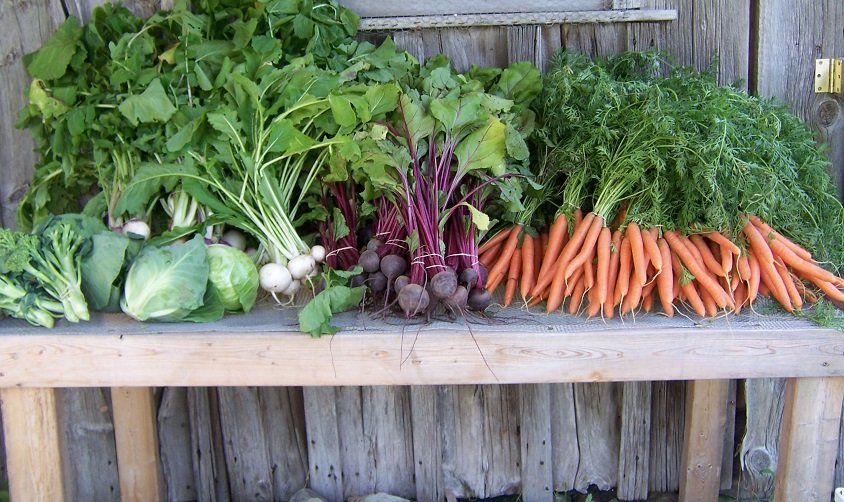 The stars of the show
There are a LOT of Pages Here, Where to Start?
You don't need to wander through the whole farm to find what you need.
Start with the result you want. Choose the path that sounds most like you, and I will point you toward the most useful books, courses, and tools for getting there.

You want to grow for customers, earn dependable income, and build a small farm business without spending a fortune first.
Start with Bootstrap Market Gardening, our complete step-by-step system for planning, marketing, launching, and managing a profitable small garden business

You want to grow more food, raise some livestock, extend the season, and make your property more useful and resilient.
Start with the Homestead Book Bundle, practical guides to survival gardening, meat chickens, pastured pigs, affordable greenhouses, and productive small-property living.

You want a practical system that helps you plan the farm, choose what to grow, and avoid the expensive mistakes that catch many beginners.
The Complete Start Farming Pack brings the core training, worksheets, planning tools, spreadsheets, examples, and bonuses together in one place.

You want a practical side hustle you can test without quitting your job, buying a tractor, or betting the farm you do not own yet.
Start with the Backyard to Income Starter Pack. Learn what to grow, what can work at your scale, and how to produce dependable harvests through more of the year.
Still Not Sure Where to Begin?
That is all right. You do not need to have the whole farm figured out today.
The Bootstrap Book Big Bundle gives you the complete New Terra Farm grower’s library in one affordable package. Explore several ideas, choose the one that fits, and start without making an expensive guess.
See Everything in the Big Book Bundle
Why Growers Trust New Terra Farm
Good farm advice should come from more than theory; it should come from years of growing, selling, solving problems, and learning what actually works. Here's what we offer:
20+ Years of Real Farm Experience
Built from lessons learned at New Terra Farm, not from theory.
Award-Winning Farm Model
Our small-farm marketing and management approach received the Premier’s Award for Agri-Food Innovation Excellence.
Practical 10X Guarantee
Every paid guide is backed by a straightforward satisfaction guarantee.
How to Avoid a BIG Market Garden Mistake
Let me tell you the story of a beginning market gardener's big mistake. . .
I have a good friend and neighbour who started market gardening after I did. In fact, she worked on my farm to learn the business.
She was passionate about growing great organic vegetables, she was a hard worker, and in fact she learned a lot about successfully growing for market.
But . . . she made a mistake her first year that cost her about $5,000 in lost sales!
To find out how to avoid a BIG mistake in your market garden, get my free guide in the form below.
Recent Articles


-
Best Electric Trikes for Older Farmers and Gardeners
Oct 24, 26 09:01 AM
 I compare the best electric trikes for older farmers and gardeners, including cargo capacity, stability, range, step-through design, comfort and farm use.
 -
How to Start a CSA in 72 Hours: A Practical 3-Day Plan
Oct 20, 26 05:58 AM
 Learn how to start a CSA in 72 hours: define your offer, set pricing, create sign-up, find members and collect payment before planting.
 -
New Terra Farm market gardening book shows you success step-by-step
Oct 11, 26 02:06 PM
 Start-up, market and manage a successful organic market garden with my Bootstrap Market Gardening Book
 -
Sell CSA Shares Before Buying Software: Find Members First
Oct 04, 26 09:37 AM
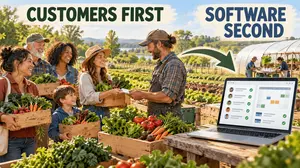 Sell CSA shares before buying software. Find members, collect deposits and choose CSA management tools only when your farm really needs them.
 -
The Flexible CSA Without a Packing-Shed Crisis
Sep 16, 26 10:25 AM
 Here's how to offer a flexible CSA with vacation holds, share sizes and limited swaps without creating a packing and scheduling nightmare.
For The Rest Of the Golden Goodness on This Site, READ ON!
DATELINE January 2026: I just updated and expanded my popular Bootstrap Market Gardening book.
Based on live training I've done for colleges, universities and community business organizations, I developed 9 new Training Modules to guide the new or soon-to-be market gardener in starting-up, marketing, and managing a successful market garden business.
This course compresses what we've learned about growing food and running multiple businesses in more than 20 years at New Terra Farm.
I think we have all come to realize the only real security is what you can build for yourself.
My book is a good place to start. You can see the new and improved Bootstrap Market Gardening Course here.
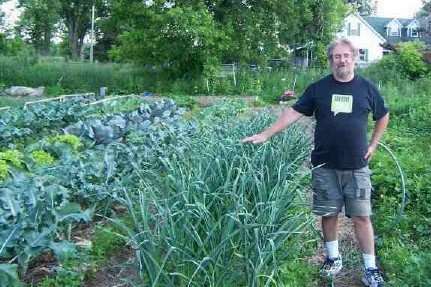 I love my garden!
Best in Show Products for the Small Grower or Homesteader
Welcome to my collection of real-world reviews of tools, gear, and practical products for farmers, gardeners, and homesteaders.
Whenever possible, I highlight family-owned and employee-owned companies. They’re the folks who still pick up the phone, answer questions, and stand behind what they sell.
Check out Farm Reviews here.
Our guiding philosophy . . .
Natural is better! Foods grown organically have more of the good stuff (vitamins, minerals and other factors that promote good health) and less of the bad stuff (i.e. herbicides and pesticides) in them. If you are as concerned as we are about what's in the food you eat, then go natural! Get more information about this topic (some very scary!) via the links and reports on our Organic Advantage page.
Farm grown is better! Purchasing directly from organic farms and farmers' markets helps guarantee fresh produce. Farmers' markets and home delivery food basket programs (also known as Community Supported Agriculture or CSA) are a great source of natural and organic food for your family.
DISCLAIMER
No animals were harmed in any of the photos (a couple didn't make it past Thanksgiving, though)
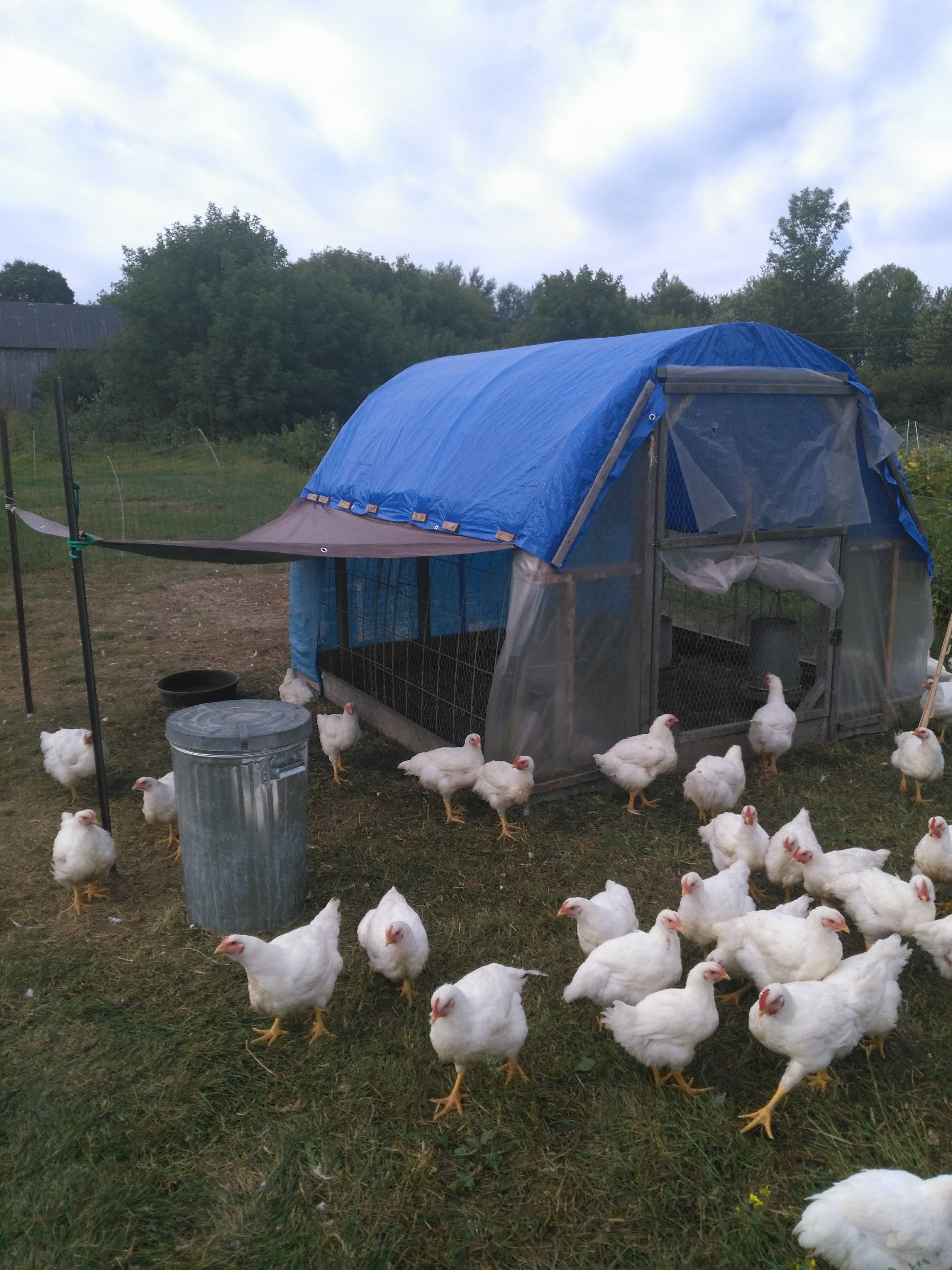 We day-range our poultry on pasture - NO confinement
Pasture-raised is better! There is growing evidence to show that raising animals on pasture is better for the animal, better for the farmer, better for the environment and produces food that is better for the consumer. Find out more on our Organic Farming and Animals Welfare page.
And if you have ever thought about raising pastured poultry give this a look.
Local is better! Current statistics show that over 85% of natural and organic food eaten by Canadians comes from outside the country. It takes 1500 calories of petrochemical energy to get 1 calorie of food energy to Canada from California. That is the definition of 'not sustainable'!
Buy local, get great food, support your local grower and save the environment, all at the same time! Look for local, Ontario, or Canadian sources (preferably in that order) for natural foods and organic packaged and prepared foods as well.
Of course you can also grow your own bacon and ham.
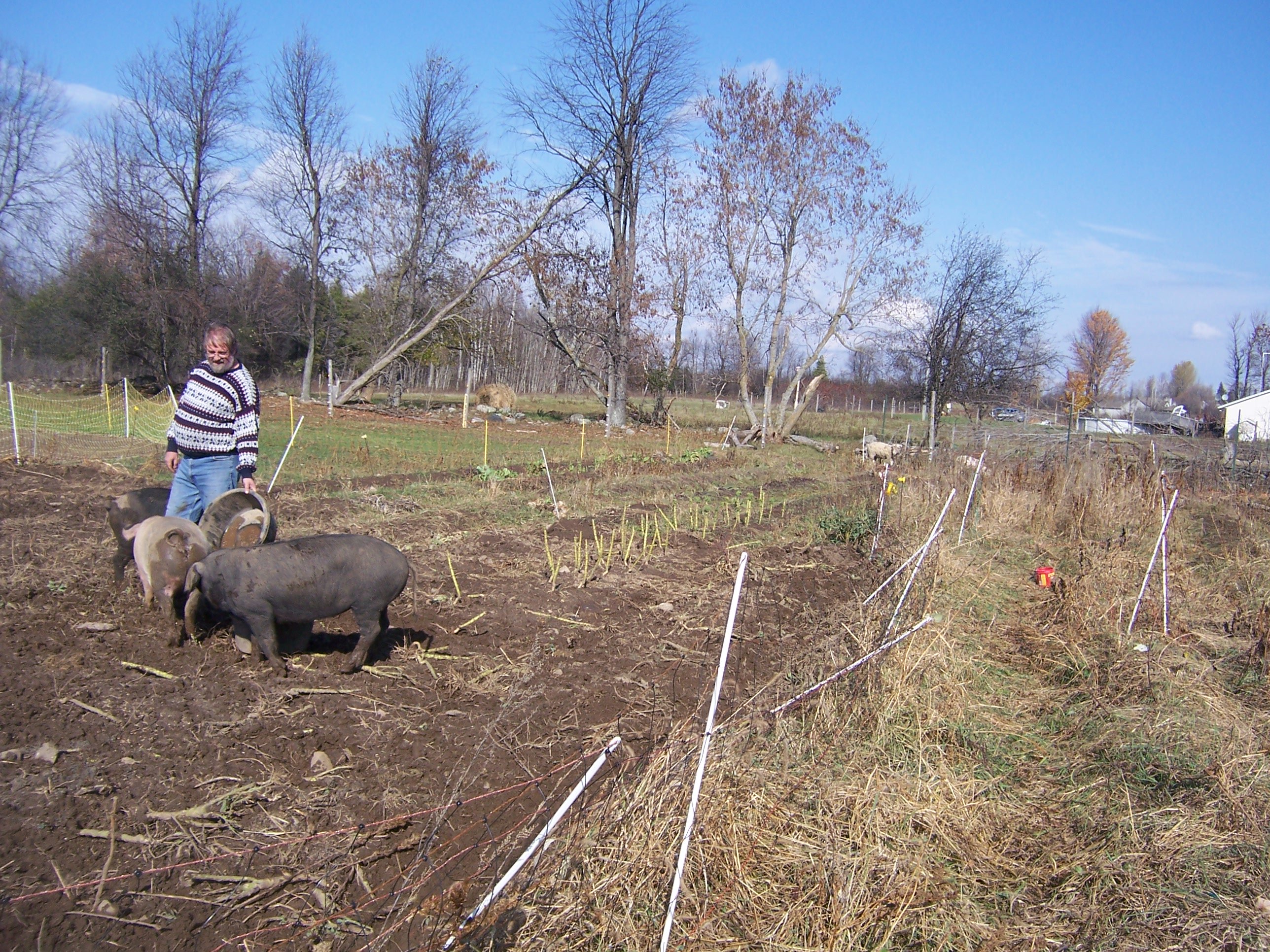 Our piggies help clean up our garden
Now what, oh wise yet humble farmer/poet?
You can follow the links to find LOTS of information sources and resources for growing natural and organic food for you and your family, or your market. You'll find information about growing, cooking, preserving and enjoying good food that's also good for you.
And, a whole LOT of information about the business of growing for market!
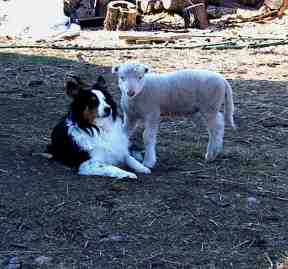 Dogs and lambs living together - MASS HYSTERIA!
I wasn't fibbing abut the 'Award-Winning Farm' bit
New Terra Farm received the Premier's Award for Agri-food Innovation Excellence for our innovative small farm marketing and management model. Find out more about the award on our New Terra Farm page, or Contact da Farm for details.
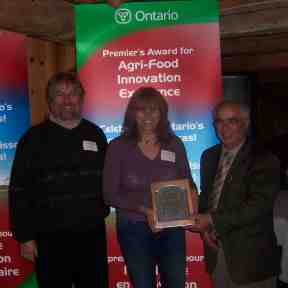 Suzie immediately grabbed the award plaque, wouldn't let go
The award is just one reason we believe that there's never been a better time to be a market gardener! Demand for fresh, natural and organic food is soaring: the market in North America is growing by at least 20% annually.
If you are a small farmer (or are thinking about starting a market garden), don't miss finding out more about about our prize-winning market gardening model and take home some lessons from our efforts to launch a successful small farm (without having to spend a fortune.)
Hey, they gave us the award, we must have done something right!
The Book You Need For Parlous Times
Man, the Covid Years SUCKED! Suzie and I had it a lot better than many folks, since the farm has always fed us and provided some extra income.
I think a lot of people had their eyes opened, and have come to realize the importance of building some resiliency into their lives.
In any extended emergency, Job #1 is to feed yourself and your family. Check out this Bootstrap Book (this is number 5 in the series), the Bootstrap Survival Garden.
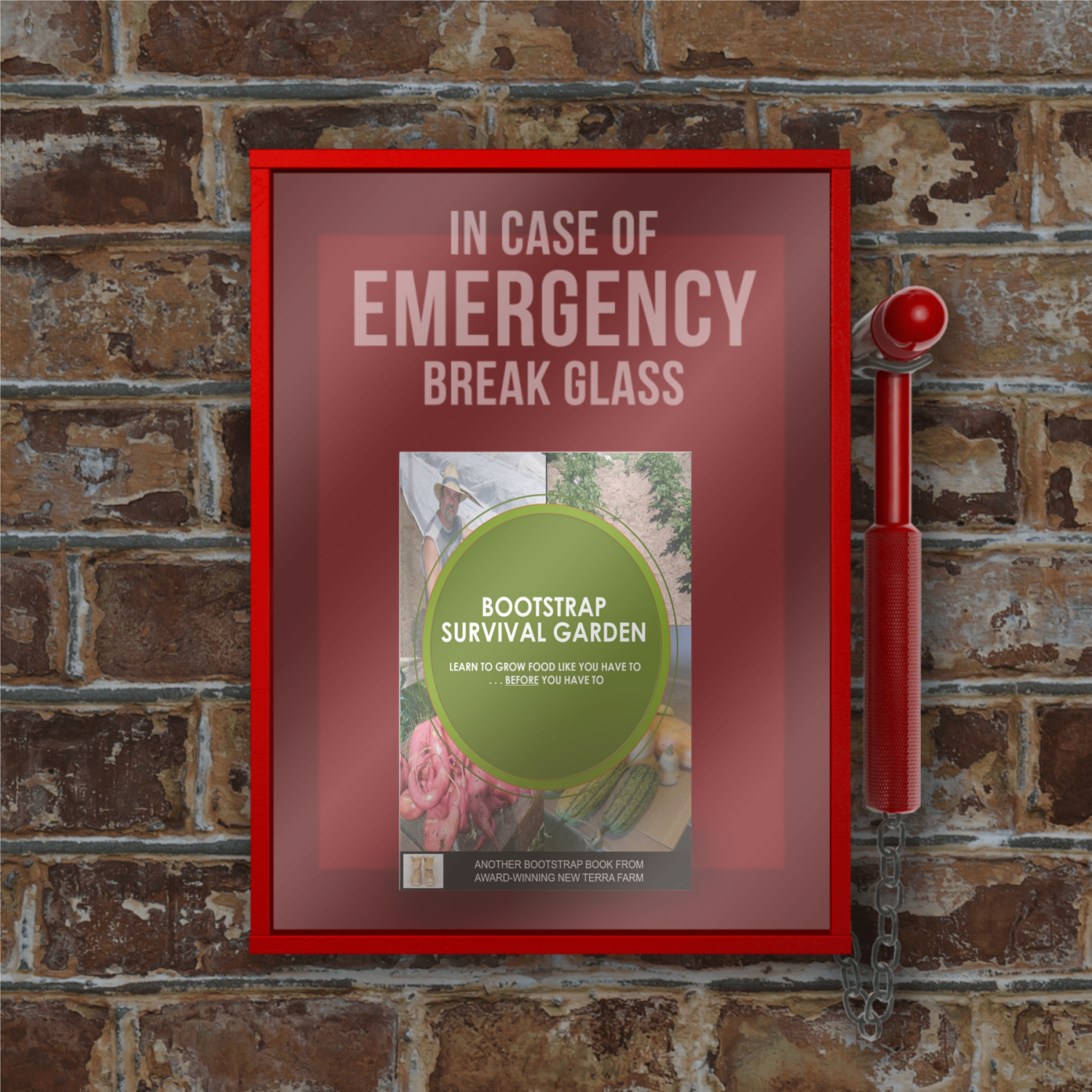
This book explains in great detail how to grow a sustainable food supply even if you have access to only a small parcel of land.
But don't wait for the emergency to break out. Like the book says, 'learn how to grow food like you have to, before you have to'!
And for your convenience because I'm just that kind of guy, you can see all my books and courses here.
Carry on to the many more pages linked below, and leave me a comment or question in the form at the bottom of the page.
Happy reading, happy growing!
-Scott
- Farm training for the new or wannabe farmer
- Practical farm training from award-winning New Terra Farm
- Backyard Garden Profits your key to a successful small market garden
- I wrote Backyard Garden Profits for the small grower who wants to launch a successful side hustle gardening for money. Practical actionable advice small-scale growers who want to earn more, waste less, and run smarter farm businesses
- A 52 week harvest plan to stretch your season and your income
- A step by step approach to build a 52 week harvest plan for more yield and more income
- Step by step guide to planning for profit for farmers
- Planning for profit mean setting income goals, managing costs, and tracking your results. Here's how!
- Need a Speaker on Green Topics
- Award-winning farmer, author and speaker Scott Kelland
- Solo Build It review by New Terra Farm
- A review of Solo Build it the powerful and popular online business building program from Sitesell.com
- Grow a Bootstrap Survival Garden for the hard times a-comin'
- Learn to grow food like you have to before you have to. Start a Bootstrap Survival Garden
- Grow the 10 most profitable vegetables in your market garden
- Special Report - Grow the 10 most profitable vegetables using the tools and techniques of pro gardeners
- New Terra Farm market gardening book shows you success step-by-step
- Start-up, market and manage a successful organic market garden with my Bootstrap Market Gardening Book
- Small farm coach help from New Terra Farm
- Like some guidance getting your new farm started? Get the advice you need from the New Terra Farm small farm coach
- Start farming with this valuable bundle from New Terra farm
- Learn how to raise chickens, pigs, an organic market garden and more with my Complete Start Farming Pack
- Homesteader Book Bundle only from New Terra Farm
- If you have a hankerin' for country living, my best value Homesteader Book Bundle is a great resouirce.
- How to raise chickens the New Terra Farm way
- How to raise chickens to put food in your freezer and folding money in your wallet
- Raising pigs on pasture for the small farmer
- Raising pigs on pasture for your freezer and your customers
- Build your own Bootstrap Greenhouse
- Build your Bootstrap Grreenhouse with step by step instructions from New Terra Farm
- Farm software to help manage your farm business
- Farm software created by New Terra Farm
- Simple Smart Small Farm Marketing
- Small Farm Marketing is more about the message than the media
- Grow a super salad garden in your back yard
- Growing a super salad garden is easier than you think
- Free Business Plan Template for Your Small Farm Business
- Download my free business plan template and get your small farm business on track
- Free Farm Planning Tools & Checklists for Small Growers
- Download practical farm planning checklists, CSA launch guides, pricing calculators, and revenue-first tools for small-scale farmers and market gardeners.
- Free digital tools for your small farm business
- A dozen free digital tools including web software, office suite, and graphical design
- Free market gardening guide from award-winning New Terra Farm
- Our free market gardening guide could have helped this beginning market gardener avoid a costly mistake.
- Farm fun, farm humor, jokes, and assorted odd stuff from New Terra Farm
- A witty collection of country fresh humor, farm fun of the finest kind
- Farm fresh organic food delivery from New Terra Farm
- With our organic food delivery program New Terra Farm will bring the farm to you.
- Our story of how we came to own New Terra Farm
- Scott and Suzie teel our story of creatingNew Terra Farm
- Contact New Terra Farm
- Reach out and touch da farm!
- Find the best gardening books curated by New Terra Farm
- I've got a lot of books in my library. Here's a selection of the best gardening books selected by New Terra farm
- Raising chickens for meat and money
- Raising chickens is a great business for small land owners. Learn how to raise chickens organically for your freezer and your customers.
- Some chicken coop ideas for your own backyard flock
- Here are a few chicken coop ideas and simple chicken coop plans for the backyard or small farm
- Chicken coop construction
- What do you need to know about chicken coop construction to successfully build your own chciken coop?
- Natural and Organic Food News from New Terra Farm
- Get the latest ramblings from New Terra Farm
- how farm websites can work for you
- Tips for building successful farm websites that get the clicks and help your sales
- Organic food industry news and commentary
- Find out what's going on in the organic food industry. Get the news and views from New Terra Farm
- Market gardening information and resources from New Terra Farm
- Practical market gardening tips, articles, books, links and resources from award-winning New Terra Farm
- Gardening successfully with the bootstrap market gardening model
- Find out the right way to start market gardening using our award-winning bootstrap market gardening model
- Raising pigs is a great business for a small farm
- Raising pigs on pasture is a great way to put meat in your freezer and money in your wallet.
- Learn how to farm by following these 5 steps.
- Learn how to farm from award-winning New Terra Farm. If you seriously want to make money on your small farm, start here!
- A practical nutrition garden model anyone can grow
- A nutrition garden model can literally double the nutritional benefit of your backyard garden
- Micro-farming for profit on a 1-acre plot of land
- Award winning farm explores micro-farming for profit in the Great White North
- An infopreneur makes money by gathering and selling electronic information.
- My favorite online business idea is that of infopreneur. The web makes selling information products easy.
- Why sustainable organic farming is important to your farm future
- Sustainable organic farming will be the farming model that will feed communities after Peak Oil
- A one acre farm plan
- Can you have a successful farming business on a one acre farm? Get this free plan from New Terra Farm
- Vegetable farming for profit on a small organic farm
- Vegetable farming for profit is different from growing your home garden. Here's some things you need to know.
- A 5 acre farm plan for the small property owner
- You can have a profitable, sustainable business even on a 5 acre farm. Here's how , , ,
- How community supported agriculture can work for your small farm
- Community Supported Agriculture is a powerful model with benefits for market gardeners and customers.
- Homesteading today from a practical perspective
- Is homesteading today still possible? Here's some answers from a practical perspective
- A high income market garden plan
- Growing a high income market garden requires careful crop selection. Here's how!
- Small farms are the future of agriculture
- Why we REALLY NEED more small farms to feed the world
- A small farm survival plan for parlous times
- Some points and priorities for your small farm survival plan
- Build a greenhouse for season extension and season protection
- Why small growers should build a greenhouse to protect their crops and their season
- TNT-Buds and Team New Terra home page
- Get the latest on TNT-Buds Inc
- Grow a homestead garden for real food security
- A homestead garden is a key step in self-sufficiency
- Starting a market garden business? Here's how
- Here's the secret to starting a market garden business. You have to treat it like a BUSINESS
- Organic vegetable garden tips for the new grower
- The 5 P's of growing your organic vegetable garden
- How to price your farm products
- A practical approach to price your farm products to make a profit
- A food storage and survival plan for the small grower
- Why you need a food storage and survival plan for the parlous times ahead
- Survival Food Supply Reviews from Award-Winning New Terra Farm
- An on-going series of survival food supply reviews of emergency food buckets, emergency food kits, and short- and long-term food supplies
- Cheap survival food ideas that are actually useful
- Cheap survival food ideas and a few recipes that are actually practical and useful
- What is micro farming answered by an actual farmer
- There's a lot of interest in the question 'what is micro farming'. There is more to microfarming than just the size of the farm. Learn what MICRO really means
- Why Organic Chicken Farming Is A Great Small Farm Business
- If you have 25 acres or 5 acres or even less than 1 acre, organic chicken farming can put food in your freezer and money in your wallet.
- The best long-term survival foods depend on a number of factors
- In this article, we'll cover the best long-term survival foods that will keep you nourished and sustained in the face of adversity.
- Essential micro-farm equipment for productivity and profit
- The micro-farm equipment I consider the essential implements for sustainable and profitable small-scale farming
- The farm of the future is a micro farm
- Lots of hype about micro farms as the farm of the future in the news these days. I've got a different take on the topic
- Should I buy a farm - what you need to consider before buying
- There are obvious and some not-so-obvious factors to consider when answering the question 'Should I buy a farm'
- How to learn to farm step-by-step from award-winning New Terra Farm
- Increasing food insecurity and economic instability have many wondering how to learn to farm, for a secure, healthy lifestyle and contribution to thecommunity
- Bear Essentials Survival food review from an organic farmer
- My Bear Essentials Survival food review will tell you why this is one of my top choices for your emergency food supply
- Build a lean-to greenhouse
- Build a lean-to greenhouse quicker and cheaper than you might think
- Hoop house kit review of Bootstrap Farmer
- I've built a few hoop houses. My hoop house kit review will give you the benefit of that experience
- How to raise a pig on pasture for the new grower
- How to raise a pig on pasture for the new farmer. Grow delicious premium pork for your freezer and your customers
- How to start a farm profitably and sustainably
- What you need to know about how to start a farm on the right footing for profitability and sustainability
- The small farm success factors for long-term sustainability
- Small farm success factors boil down to just two things - managing costs and managing production
- A one acre garden plan for the small market grower
- The One Acre Garden Plan: A Guide to Starting a Profitable Small Market Garden
- Staying sane in the farming game
- Overcoming setbacks, solving problems and staying sane in the farming game
- A small farm marketing plan for the organic grower
- Your small farm marketing plan is like every other project. You need an approach, a timeline and a budget.
- Market garden seed starting schedule
- Plan yor market garden seed starting schedule bass-ackwards from harvest to start
- 5 Sustainable Small Farm Principles to Guide Planning and Operations
- You need to plan your sustainable small farm with an eye to both environment and economics
- Natural garden pest control fpr the market grower
- Principles and practices of natural garden pest control
- Value added farming can increase small farm profits
- Best Practices in value added farming for the small operator
- Are small farms profitable? Yes, but...
- If you are thinking about a small farm business of your own, none of your first questions will be ‘are small farms profitable’?
- Developing a Content Marketing Strategy for Your Small Farm Business
- A step by step guide to developing a content marketing strategy
- Selling to chefs is a good niche if you approach it properly
- I've seen some bad advice about selling to chefs. Here's how to do it right.
- Start a farm side hustle for extra income on your small property
- Nobody ever said 'I need LESS money'. How to start a farm side hustle the right way for extra income
- Farm cash flow management is critical to your farm's success
- Running a small farm profitably requires more than just being a good grower. If your farm is to survive and thrive, you need sound farm cash flow management.
- Real Estate Contact
- Here's the best real estate contact for Ottawa and surrounding area
- Characteristics of the successful small farmer
- An imaginary conversation with Joel Salatin, Eliot Coleman, and Jean-Martin Fortier discussing the attributes of a successful small farmer
- Free online farm management courses: a review
- Are free online farm management courses worth your time? Let's take a look at what they have to offer.
- Small scale greenhouse growing guide
- What home or market gardener need to know about small scale greenhouse growing
- Selling pigs for meat can be a profitable
- If you have a s,all property and want to generate some income, selling pigs for meat can be a great side hustle.
- Learn how much to feed chickens before you bring your birdies home
- You've ordered your birdies, now make sure you understand how much to feed chickens fo a healthy and happy flock
- Starting a micro farm is a serious undertaking. Here's a low-risk way
- Turning your small property into a Big Opportunity by starting a micro farm
- How to Learn About Farming For The Wanna-Be Small Grower
- Learn first, earn second. How to learn about farming before you take the big leap into growing crops for money/
- Market garden crop planning is the secret to a profitable season
- Learn how smart market garden crop planning can turn your backyard garden into a profitable market garden with consistent harvests and higher yields.
- Homesteader resources, plans and guides for the small property owner
- Homesteader guides for food, water, shelter, and elecrtricity. Become more self-sufficient BEFORE it hits the fan!
- Explore the best crops for small farm profit top 10 list
- Check out the best crops for small farm profit top 10 list to maximize earnings, from microgreens to gourmet mushrooms.
- CSA Program Checklist 15 Must-Have Elements For Success
- CSA Program Checklist 15 Must-Have Elements for running a successful CSA include clear agreements, effective crop planning, and strong member communication.
- 7 Steps to Start Your First Organic Garden
- Want to grow your own fresh, chemical-free produce? Here's a quick guide to the 7 steps to start your first organic garden
- A Layered Food Storage Plan for Emergency Preparedness
- Build a smart, layered food storage plan for emergencies, prepping, and long-term survival. Discover how to stockpile food the right way for every situation
- Crop Yield Tracking: The Smart Market Gardener’s Secret Weapon
- Crop yield tracking helps farmers measure how much they harvest and use that data to improve farm performance, soil health, and profitability.
- The Market Gardener's Guide to Online Marketing
- The Market Gardener's Guide to Online Marketing is a down-to-earth guide for farmers, gardeners, and rural entrepreneurs who want to grow online
- Growing sweet potatoes in a cool climate
- The why, how, and how much of growing sweet potatoes in the Great White North
- Start a Vegetable Garden - Beginner’s Guide to Success
- Learn how to start a vegetable garden with tips on timing, succession, and companion planting. Simple steps for fresh, organic harvests all season.
- CSA-I Starter Prompt Pack
- The CSA-I Starter Prompt Pack is your CSA Farm Manager in a Folder
- 1 Acre Farm Ideas: Profitable Micro-Niche Farming That Works
- Discover proven 1 acre farm ideas that actually make money. Learn how to find micro-niches, set prices, and build a profitable small farm business fast.
- How to Become a Homesteader: Start Small, Build Smart, Live Free
- How to become a homesteader, the practical path to homesteading success. Learn how to start small, earn early, and build real self-reliance
- How to Buy a Farm: A Practical Guide for First-Time Growers
- Learn how to buy a farm the smart way — without debt, regret, or overwhelm. Discover the steps to find, fund, and thrive on your first piece of land
- How to start a CSA farm business
- How to Start a CSA Farm Business (and Actually Make Money Doing It)
- Community Supported Agriculture Marketing Ideas To Sell Out The Season
- Authentic Community Supported Agriculture marketing ideas to grow loyalty, boost sign-ups, and sell out your CSA every year
- Best Chicken Coop and Accessories for Small Farms and Homesteads
- Looking for the best chicken coop? Here are the top coops, accessories, nest boxes, and gear to build a safe, productive poultry setup.
- Weed Control for Profit: Less Labour, More Yield, Better Beds
- Discover a smarter system weed control for profit that cuts labour, protects yield, and boosts garden profits without endless hand weeding.
- High income crops for the small or backyard grower
- The best high income crops that are easy to grow for fast cash
- The Flexible CSA Without a Packing-Shed Crisis
- Here's how to offer a flexible CSA with vacation holds, share sizes and limited swaps without creating a packing and scheduling nightmare.
- Sell CSA Shares Before Buying Software: Find Members First
- Sell CSA shares before buying software. Find members, collect deposits and choose CSA management tools only when your farm really needs them.
- 2026 Planning Survey for Small Growers
- Take the 2026 Planning Survey and tell us what small-farm workshops and training would help you most. Complete it and get a free farming book.
- How to Start a CSA in 72 Hours: A Practical 3-Day Plan
- Learn how to start a CSA in 72 hours: define your offer, set pricing, create sign-up, find members and collect payment before planting.
- Best Electric Trikes for Older Farmers and Gardeners
- I compare the best electric trikes for older farmers and gardeners, including cargo capacity, stability, range, step-through design, comfort and farm use.
See Something You Like? Share!
Got questions to ask, stories to tell?
Share your organic market gardening question, or comment, or story.
I'm an affiliate for some products I promote on this site. This means I get a small commission for a product you buy through a link on one of my pages. This doesn't cost the buyer anything, but provides me an additional income to help support these pages.